
Biodiversity & Ecology
Mammal Surveys
Surveys of large and small mammals using camera traps, transects, sign surveys and eDNA, designed to the standard each project must meet.
Overview
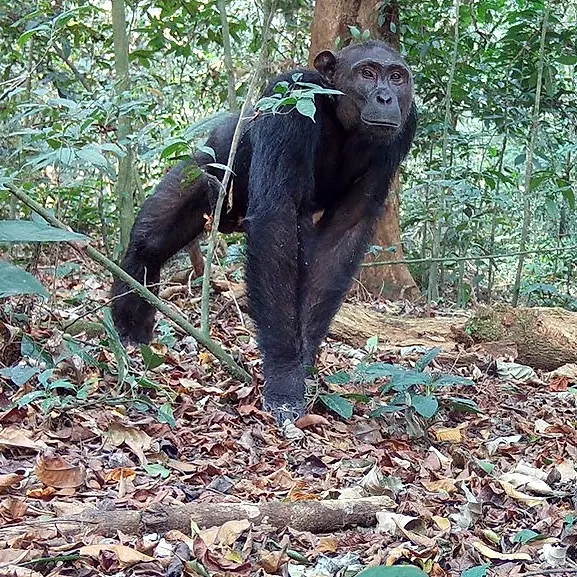
Mammal surveys establish which species are present, how they use a site and how many there are, so a project can meet approval, lender or monitoring requirements. We survey everything from small mammals to elephants and great apes, in some of the most remote forests in Africa and beyond.
How we approach it
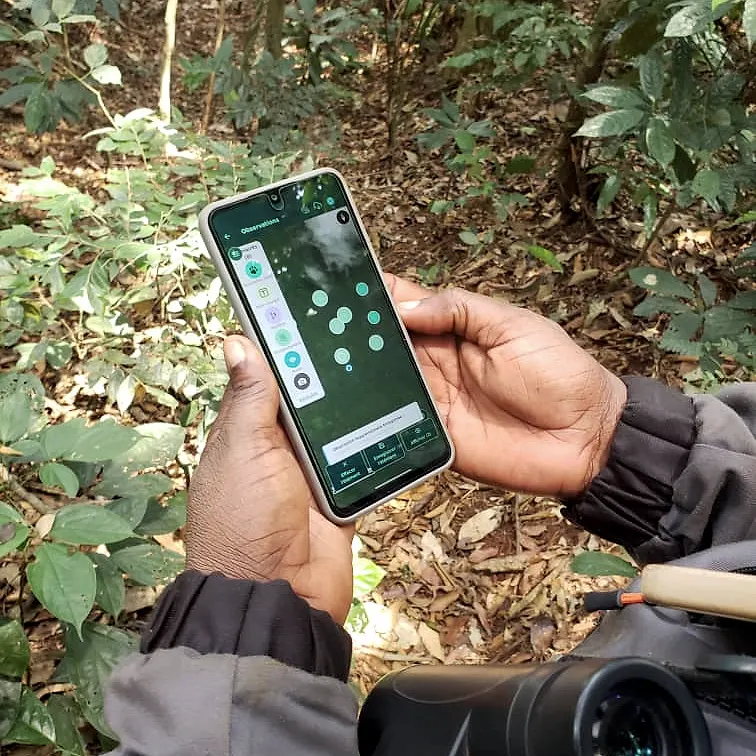
We choose among camera traps, line transects, sign surveys and eDNA according to the species, habitat and decision. Camera-trap surveys are designed for occupancy or density estimation from the start, not just species lists. Images are processed with AI on NatureCube, and every identification is checked by a specialist before it is used. For great apes, surveys follow IUCN best-practice guidelines.
What we deliver
- Survey design matched to the target species and the standard that applies
- Camera-trap, transect, sign and eDNA fieldwork
- Verified species records with AI identifications checked by experts
- Occupancy, relative abundance or density estimates where the design supports them
- Reporting for regulators, lenders and management plans
- Methods and data structured so later seasons can be compared
What you receive
Species records, analysis and a report written for the regulator or lender who will review them, with the data held on NatureCube for future monitoring.
When you need it
Use this when a baseline, critical habitat assessment or monitoring programme depends on mammals, especially threatened species such as great apes, pangolins or large carnivores.
Related services
Endangered Species Monitoring
Population surveys, density estimates and long-term monitoring for priority and protected species.
ESIA Biodiversity Baselines
Baseline surveys and specialist studies for ESIAs that satisfy lenders and national regulators, delivered to budget and on time.
Critical Habitat Assessments
IFC PS6 critical habitat assessments, and equivalents under EBRD PR6 and World Bank ESS6, to support lender due diligence and project approval.
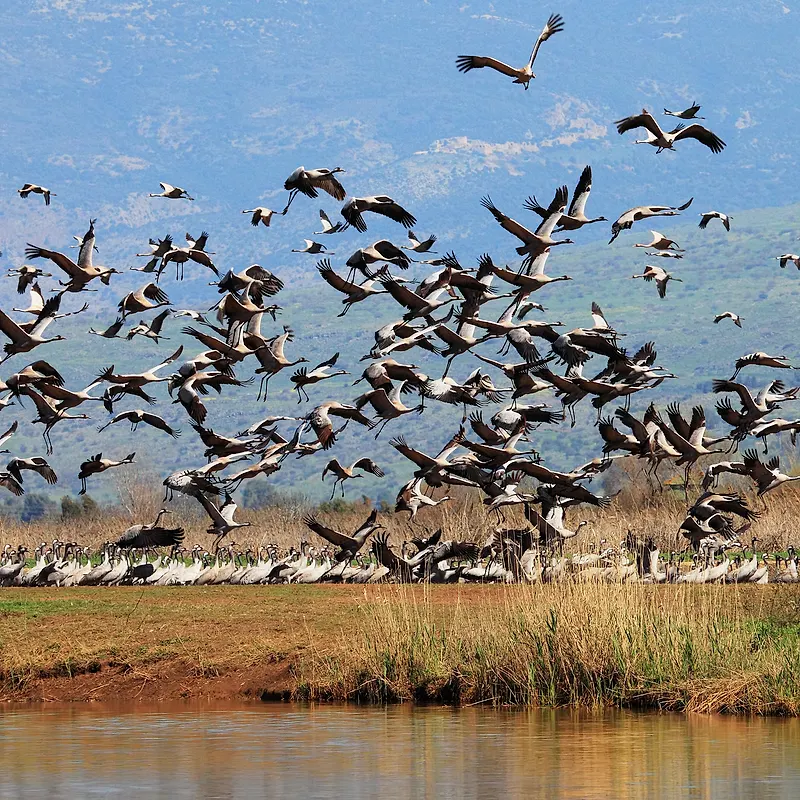
Ornithological Surveys
Bird surveys using point counts, transects and bioacoustics, including the surveys required for energy and infrastructure projects.
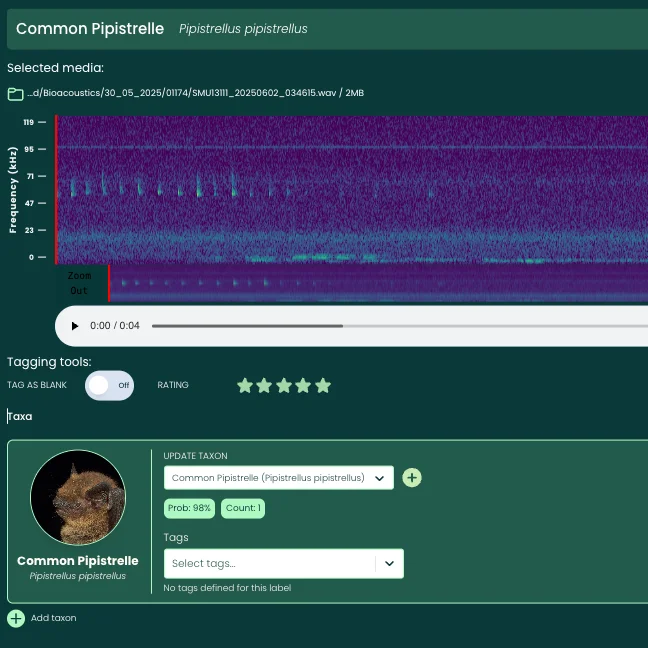
Bat Surveys
Acoustic and roost surveys to identify the species present and how they use a site, to national guidance and lender requirements.
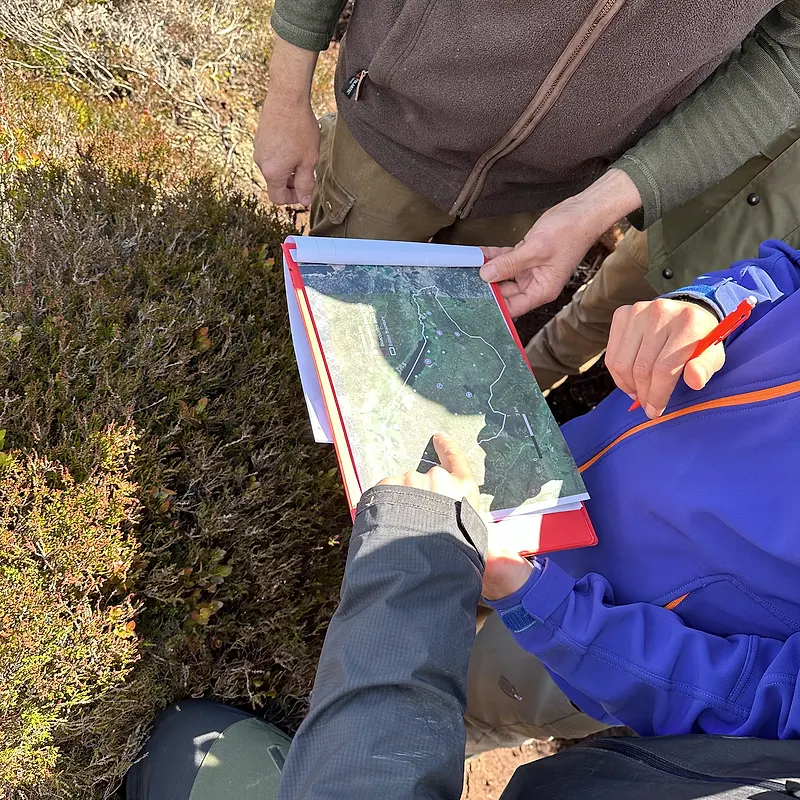
Biodiversity Impact Assessments
Impact assessments applying the mitigation hierarchy, supporting approval and investment decisions.